- More Relief. Less Medication.
- Posts
- 🧠 Why Vestibular Migraine is Often Overlooked
🧠 Why Vestibular Migraine is Often Overlooked
Vestibular migraine is an entirely different beast, and yet, it's still so misunderstood...


Dr. Erik Reis & Thompson Maesaka
December 17, 2025

Your hub for natural migraine management. More Relief. Less Medication.

Hey Migraine Mentees 👋
Today’s newsletter takes another 5 minutes to read—so if you’ve only got 60 seconds, here’s what you need to know:
Vestibular Migraine (VM) is often missed because dizziness/imbalance can overshadow migraine-related head pain.
It’s a migraine subtype affecting the brain–inner ear balance system, where episodes can last minutes to days.
Symptoms often include vertigo, dizziness, trouble focusing, nausea with light/sound sensitivity, plus typical migraine pain.
It happens due to the same core neuro-metabolic/inflammatory biology as other migraines; the vestibular system is the personal “weakest link.”
👉️ We don’t wish a vestibular migraine on anyone, so if you’re someone who struggles with these debilitating migraines, you deserve to find the proper treatment ASAP!
🧠 The Migraine Mentors
First time reading?! Sign up HERE.
👉️ In This Week’s Edition…
🥡 Weekly “Take-Meme-Out”
Mean Girls…
🗒️ Read This Now!
Why Vestibular Migraine is Often Overlooked…
🍴 Migraine-Friendly Recipe of the Week
Quinoa Bowl with Roasted Sweet Potato & Arugula…
🥡 WEEKLY TAKE-OUT
Meme of The Week…
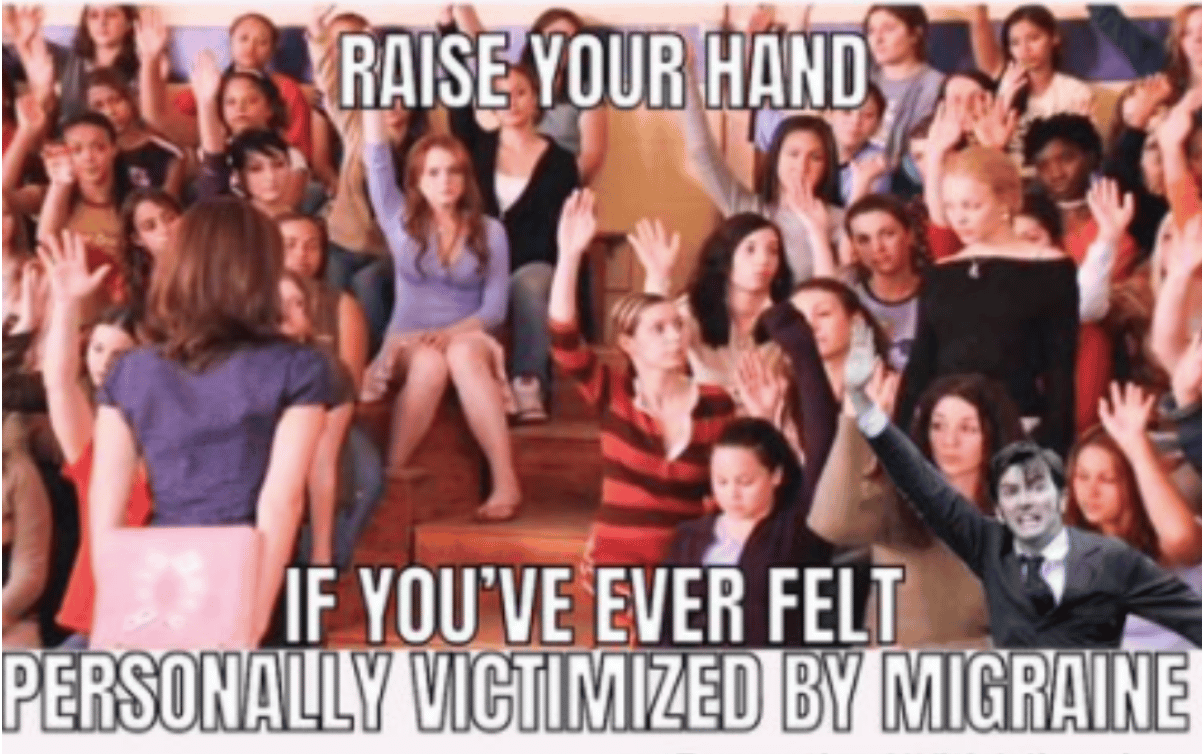
Migraine is Regina George for sure…
🗒️ READ THIS NOW!
Why Vestibular Migraine Is Often Overlooked…
Vestibular Migraine (VM) is a migraine subtype where dizziness and balance problems can often overshadow the cripping head pain associated with migraine, so it’s easy to miss or mislabel…
❓ What is Vestibular Migraine?
Vestibular migraines are a type of migraine that targets your vestibular system (The brain’s inner ear balance network).
Episodes can last from minutes to days and may follow sensory changes or hormonal shifts…
🌪️ Common Symptoms of Vestibular Migraine
Vertigo (spinning/tilting)
Dizziness, disorientation, trouble focusing
Nausea with light/sound sensitivity
All the common migraine-associated symptoms of stabbing and throbbing pain…
🧠 Why it Happens
Vestibular migraine shares core migraine biology (neuro-metabolic and central inflammatory changes) with other subtypes; it simply presents with additional vestibular symptoms…
You’ve heard us use this analogy before, but the reason patients with vestibular migraine experience vestibular symptoms is that it’s essentially the “weakest link” in the migraine cascade.
⚠️ Frequent Triggers
Stress: Cortisol surges sensitize the Trigeminal system, causing more pain.
Hormones: Estrogen fluctuations (periods, peri/menopause) can trigger the neurovascular and inflammatory cascade.
Diet: Alcohol, red wine, caffeine, and aged cheeses, along with individual sensitivities, can amplify pain signaling.
Sensory Overload & Motion Sensitivity: Bright lights, loud sounds, screens, car rides, and busy visual environments, which are often worse post-concussion.
📈 Treatments and Clinical Approaches That Help
🧬 Feed The Brain/Gut - Gut/Brain Axis
Magnesium Rich Foods: Nuts, seeds, dark leafy greens.
Anti-Inflammatory Compounds: Omega-3s (salmon, chia), turmeric/curcumin, olive oil.
Hydrate w/Electrolytes: ~2 L/day of water, with electrolytes.
Fiber-Forward Veggies: Leafy greens, berries, quality complex carbs, etc..
🧘 Reset Sensory Circuits
Diaphragmatic breathing or short mindfulness breaks.
Grounding (barefoot walking, nature time).
Reduce input when needed, by dimming lights, using noise-canceling headphones, and lying in a dark room.
Utilize white noise or calming music.
🚶 Use Exercise and Physical Movement
Start with walking, yoga, or tai chi; avoid “push–crash.”
Consider vestibular rehabilitation therapy (VRT) to retrain the brain–ear connection.
Make sure to start where you’re comfortable before going “all-in” on an approach…
💊 Targeted supplements
Magnesium (Threonate/Citrate)
Riboflavin/B2 (or take a Methylated Vitamin B Complex)
Ginger
CBD
Vitamin D3/K2
Fish Oil
🥼 When to Seek Professional Help
If consistent lifestyle changes don’t help, see an experienced medical provider who offers vestibular rehabilitation for personalized testing, tailored VRT, medication management, neuro optimization, and nutrition/trigger mapping.
Immediately seek urgent care for the following red flags: “worst ever” headache, new weakness in the limbs or arms, double vision, slurred speech, chest pain, or stroke-like symptoms.
⚕️ Vestibular Migraines Don’t Have To Be Your Norm…
Vestibular migraines are real and treatable. Identifying triggers, building sensory resilience, and targeted care (often including VRT) help many people regain balance and confidence.
Know that you’re not alone… and relief is possible in the hands of the right provider!
🧠 The Migraine Mentors
🍴MIGRAINE-FRIENDLY RECIPE
Quinoa Bowl with Roasted Sweet Potato & Arugula
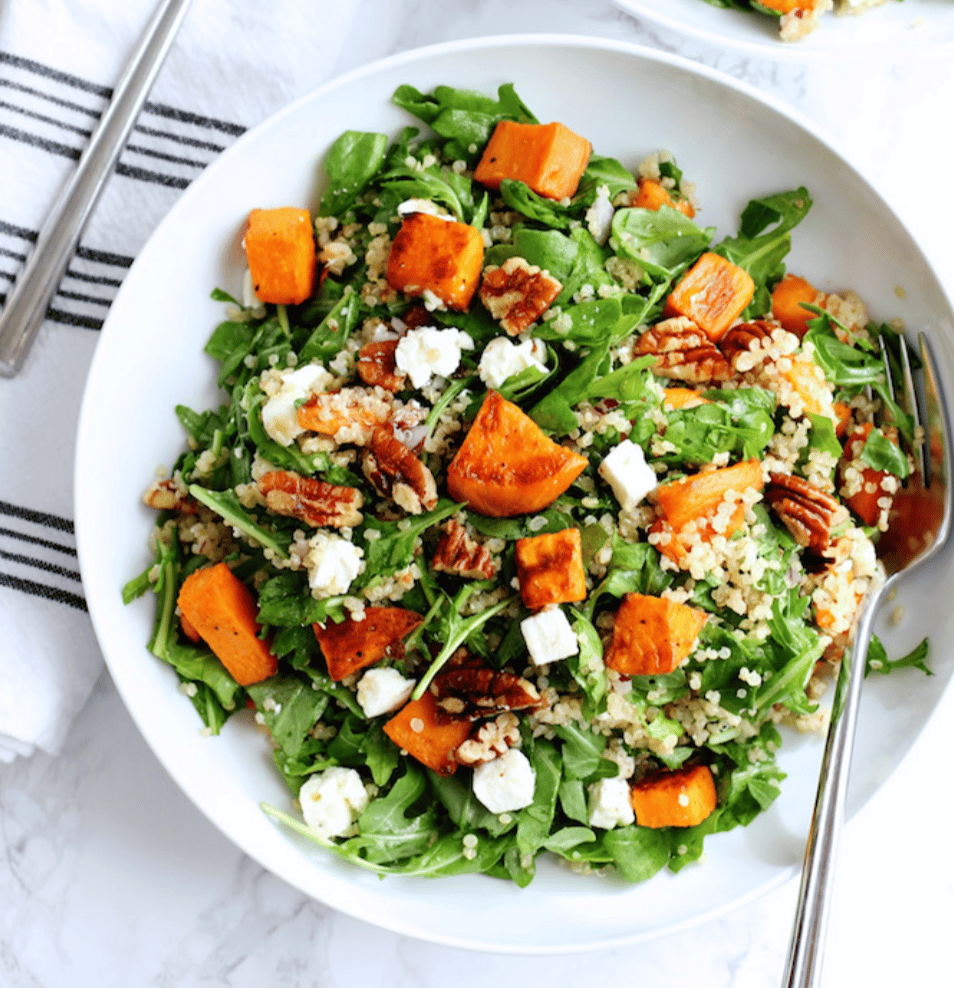
🍠 Ingredients (1–2 servings)
½ cup dry quinoa (rinse well)
1 medium sweet potato, peeled and cubed
1–2 cups fresh arugula
Olive oil
Sea salt
Optional protein (choose one, fresh):
Grilled chicken breast
Fresh turkey
Soft-boiled or poached egg
📖 Instructions
Cook quinoa
Combine quinoa with 1 cup water and a pinch of salt.
Bring to a boil, then simmer 12–15 minutes. Fluff and set aside.
Roast sweet potato
Toss cubes with olive oil and sea salt.
Roast at 400°F (205°C) for ~25 minutes, until soft (not crispy).
Assemble
Add warm quinoa to a bowl.
Top with sweet potato and fresh arugula.
Drizzle with olive oil and a small pinch of salt.
Add protein if tolerated
Keep portions modest—more isn’t always better during migraine flares.
How did you like this week's email? |