- More Relief. Less Medication.
- Posts
- 🧠 Here's What's Actually Causing Your Migraines...
🧠 Here's What's Actually Causing Your Migraines...
Even in 2026, this debate lives on...


Dr. Erik Reis & Thompson Maesaka
May 06, 2026
In partnership with


Your hub for natural migraine management. More Relief. Less Medication.

Hey Migraine Mentees 👋
Today’s newsletter takes another 5 minutes to read—so if you’ve only got 60 seconds, here’s what you need to know:
The debate on whether migraine is vascular or neurological continues…
Migraine isn’t just one or the other - It’s actually both…
Migraine symptoms present in a multitude of ways, but they all entail a few specific neurological and vascular features…
With that said, migraines can be triggered and influenced by multiple factors like hormones, stress, foods, and environmental triggers…
You don’t have to live with migraines forever; You just need to find the right provider who can help you find solutions…
🔊 It seems as though this debate could go on forever, but that doesn’t mean you can’t find treatment for it!
Let’s dive deep to get to the bottom of this one…
🧠 The Migraine Mentors
First time reading?! Sign up HERE.
👉️ In This Week’s Edition…
📰 Nerdy Migraine News & Research
The Studies You’ve Been Looking For…
🥡 Weekly “Take-Meme-Out”
Well, That’s A First… 👀
🗒️ Read This Now!
What’s Actually Causing Your Migraine…?
🍴 Migraine-Friendly Recipe of the Week
Baked Salmon and Asparagus…
📰 NEWS AND RESEARCH
The Studies You’ve Been Looking For…
🧠 Biofeedback continues to stand out as one of the best-supported non-drug migraine treatments. A 2025 meta-analysis found biofeedback significantly reduced headache frequency and severity compared with wait-list control, and it also showed benefits for disability, mood, and quality of life.
🧩 Mindfulness-based approaches help manage migraines because they target the stress-pain loop directly. A 2021 peer-reviewed review described mindfulness meditation as a promising mind-body intervention for migraine due to the beneficial effects on pain processing, stress responsiveness, and symptom reactivity.
⚡ Non-invasive neuromodulation is one of the most important newer developmental treatment options. A systematic review and meta-analysis found that techniques such as transcranial magnetic stimulation, vagal nerve stimulation, and external trigeminal nerve stimulation improved pain freedom and pain relief within 2 hours in acute migraine.
Six mature-friendly shades. One mascara that actually stays put.
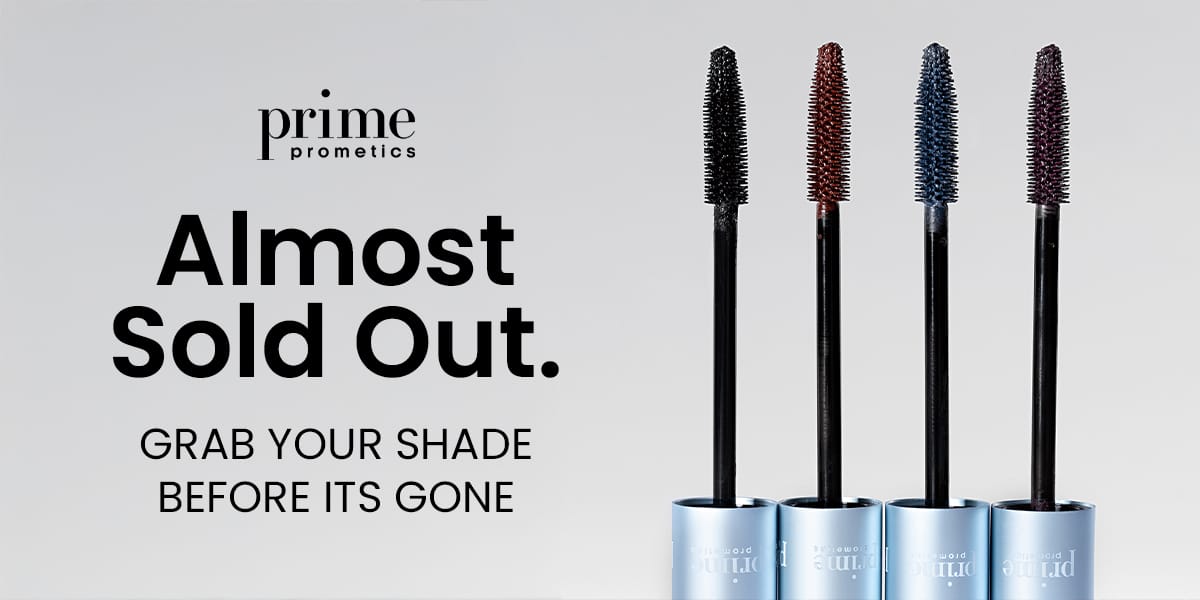
Most mascaras promise length… then leave you with smudges, flakes, and clumps by lunchtime.
That’s why so many 50+ women are switching to PrimeLash.
It’s a tubing mascara designed for your lashes, wrapping each one to lift, define, and separate...even the ones that might be too small to see.
And when it’s time to take PrimeLash off? It slides right off with warm water. No rubbing or irritation.
From everyday black to soft brown, plus bold shades like Emerald, Burgundy, and Mulberry… there’s a color for every kind of day.
Get longer-looking lashes with zero smudge. Finally.
🥡 WEEKLY TAKE-OUT
Meme of The Week

🗒️ READ THIS NOW!
What’s Actually Causing Your Migraine…?
For decades, scientists have debated about what exactly causes migraine attacks.
… Is it the blood vessels in your brain?
… Or is it a problem with how your brain processes pain and sensory input?
The truth? It’s both…
But how you understand migraine makes a big difference in how you treat it.
Let’s break down the two main theories and what they mean for your healing strategy…
🩸 Theory #1 – The Vascular Model
This older theories of migranie suggested that migraines are triggered by dilated blood vessels in the brain.
That’s why medications like triptans were designed to constrict those vessels and reduce pain.
But blood flow alone doesn’t explain everything that happens with migraines, especially symptoms like brain fog, nausea, dizziness, or light sensitivity.
Those point to something far deeper…
🧠 Theory #2 – The Neurological Model
This approach views migraine as a dysfunction in the brain’s sensory processing system… And not just a vascular issue.
It involves abnormal brain and central hormonal signaling in areas that regulate pain, stress, movement, and even digestion.
From this perspective, migraine is less about isolated head pain and more about a brain under pressure from inflammation, overstimulation, or poor regulation…
And guess what?
The neurological model also supports the vascular model because the nervous system controls the vascular system…
⚔️ The Current Understanding - The Neurovascular Model of Migraine
Today, migraine is understood as a neurovascular disorder—a condition involving both blood vessel changes and disrupted brain signaling.
This new model helps explain why so many people don’t respond well to medication alone…
And why supporting the entire nervous system often leads to better outcomes.
It’s what we’ve based our entire clinical model on and we believe it’s one of the reasons why we’ve been able to help so many people overcome their migraine symptoms at The Neural Connection…
🏥 What Does Treatment Look Like?
When you start viewing migraine as a full-body and neurological condition (and not just a series of symptoms to suppress), you open up new evidence-based options for care…
🩺 Treatment options can and should include the following:
Balancing electrolytes – Essential for hydration and nerve function
Brain-based rehabilitation – Targeted exercises that support visual, vestibular, and cognitive pathways that are specific for each patient
Vagal nerve stimulation – Gentle breathing techniques and non-invasive neuromodulation modalities that help regulate inflammation and stress, along with dysfunction of the autonomic nervous system
Blood sugar regulation – A foundational step for calming the nervous system and improving the brain and body’s metabolic capacity
Medication management - To support neurotransmitter production, central brain function, and dampen brain-based inflammation
Proper nutrition & modified dietary changes - Food can be both your friend or foe depending on your gut microbiome and histamine tolerance
Hormonal support - Comprehensive blood testing can confirm this and provide a roadmap to specific use cases for treatments for hormones and supportive nutritional approaches
At The Neural Connection, we use this integrated framework every day to help people move beyond temporary fixes—and toward long-term relief.
Whether you’re early in your journey or have been navigating migraine for years, understanding the why behind your symptoms is the first step toward a more personalized, effective solution.
🙏 We hope this gave you a clearer picture of what’s happening beneath the surface of migraine—and what’s possible when care is tailored to the brain and body.
Got more questions?
📩 Hit reply to this newsletter!
🍴MIGRAINE-FRIENDLY RECIPE
🍽️ Baked Salmon and Asparagus
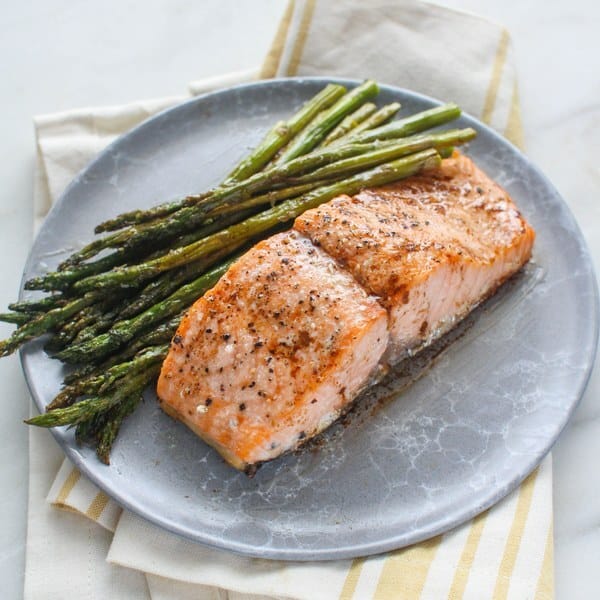
🥣 Ingredients
Fresh salmon fillets (about 4-6 oz per serving)
Asparagus (1 bunch, trimmed)
Olive oil (2 tablespoons)
Herbs for seasoning (such as fresh dill, parsley, or thyme, preferably fresh for better flavor and fewer additives)
Salt and pepper to taste (optional, depending on your sensitivity)
📖 Instructions
Preheat the oven to 375°F (190°C).
Prepare the Baking Sheet: Line a baking sheet with parchment paper or lightly grease it with olive oil to prevent sticking.
Arrange Ingredients: Place the salmon fillets in the center of the baking sheet and arrange the asparagus around them.
Drizzle with Olive Oil: Drizzle olive oil over both the salmon and asparagus. Use your hands or a brush to coat evenly.
Season: Sprinkle fresh herbs, salt, and pepper over the salmon and asparagus to taste.
Bake: Place the baking sheet in the preheated oven and bake for about 15-20 minutes, or until the salmon is cooked through and flakes easily with a fork. The asparagus should be tender but still crisp.
Serve: Plate the salmon with asparagus on the side, garnished with additional fresh herbs if desired.
👉️ Why This Recipe is Migraine Friendly
Fresh Ingredients
Fresh salmon and asparagus are less likely to contain preservatives or additives that might trigger migraines.
Omega-3 Fatty Acids
Salmon is high in omega-3 fatty acids, which have anti-inflammatory properties and may help in reducing the frequency and severity of migraines.
Low in Aged Products
Unlike cured meats or aged cheeses, fresh foods do not contain tyramine, a common migraine trigger.
👉️ Why This Recipe is Histamine Friendly
Fresh Salmon
Fresh fish like salmon is generally low in histamine; it’s crucial to ensure the fish is fresh, as histamine levels can increase in fish that has been stored improperly or is not fresh.
Non-Processed Ingredients
The recipe avoids processed ingredients, which can contain high levels of histamine and other amines.
Low Histamine Vegetables
Asparagus is usually well-tolerated for those on a low-histamine diet.
👉️ Why This Recipe is Low Glycemic
Whole Foods
The use of whole ingredients (salmon and asparagus) helps keep the glycemic index low, as they do not cause a rapid spike in blood sugar.
Low-Carbohydrate Option
This meal is low in carbohydrates compared to grains or starchy vegetables, making it suitable for maintaining stable blood sugar levels.
Healthy Fats: The healthy fats from olive oil and salmon help provide satiety without affecting blood sugar levels negatively.
How did you like this week's email? |