- More Relief. Less Medication.
- Posts
- 🧠 How Stress and Migraine Impact Each Other
🧠 How Stress and Migraine Impact Each Other
We've demonized stress for decades, but stress isn't always the issue; it's how you manage it...


Dr. Erik Reis & Thompson Maesaka
January 07, 2026
In partnership with


Your hub for natural migraine management. More Relief. Less Medication.

Hey Migraine Mentees 👋
Today’s newsletter takes another 5 minutes to read—so if you’ve only got 60 seconds, here’s what you need to know:
Stress can start a migraine, and migraines can inherently raise stress, BUT that loop can be broken…
Stress hormones (like cortisol) make the brain extra sensitive to inputs, and the “let-down” after a busy week can trigger an attack…
Therapies like box-belly breathing + a few minutes of mindfulness, eating more omega-3s (salmon, sardines, chia, flax), and getting adequate daily doses of magnesium can make a big difference in your outcomes…
It’s a good idea to plan some recovery time after big stressors (like travel, deadlines, significant events ) to prevent “let-down” attacks…
Personalization matters, so it’s always best to track what helps and bring notes to your next doctor visit so your care team can tailor the plan to you…
☕ Whether you’re easing into the week or catching your breath after the holidays, we’re cheering you on and delivering great content, one week at a time!
🧠 The Migraine Mentors
First time reading?! Sign up HERE.
👉️ In This Week’s Edition…
📰 Nerdy Migraine News & Research
The Latest Updates in the Migraine/Health & Wellness Community…
🥡 Weekly “Take-Meme-Out”
Look at The Cute Puppy… 🐕️
🎧️ The Migraine Mentors Minicast - Podcast Series
The Impacts of Stress on Migraines
🗒️ Read This Now!
How Stress and Migraine Impact Each Other
🍴 Migraine-Friendly Recipe of the Week
Quinoa Porridge with Blueberries
The New Year Ritual That Sets the Tone for Energy and Glow ✨
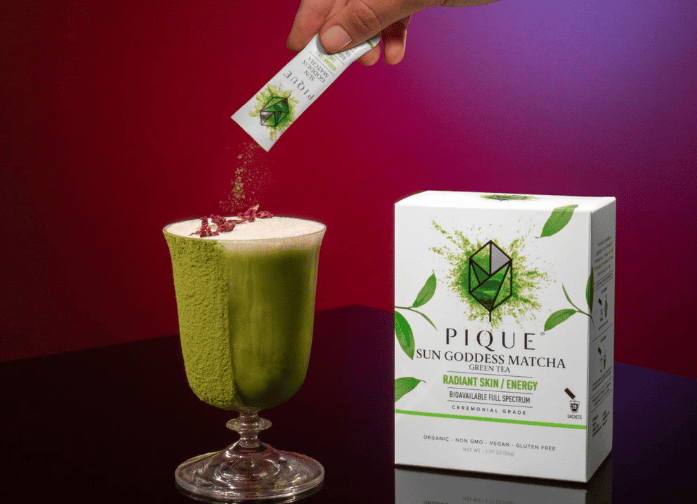
January calls for rituals that actually make you feel amazing—and Pique’s Sun Goddess Matcha is mine. It delivers clean, focused energy with zero jitters, supports glowing skin and gentle detox, and feels deeply grounding. Smooth, ceremonial-grade, and crave-worthy, it’s the easiest way to start your day clear, energized, and glowing from the inside out.
📰 NEWS AND RESEARCH
Hot Off The Press…
⚡ Gentle, non‑invasive brain and nerve stimulation is emerging as a powerful tool in migraine care. External neuromodulation (like vagus nerve or supraorbital nerve stimulation) has been shown to reduce migraine days for many people with minimal systemic side effects, making it an appealing option for those wanting to lower medication burden.
🧘 Mind–body therapies are stepping into the spotlight as legitimate migraine treatments. Recent reviews report that mindfulness‑based interventions can rival standard medications for some patients, particularly those with medication overuse headache, while also improving stress, anxiety, and quality of life.
🥦 Anti‑inflammatory diets may do more than just help you “feel healthier” — they may actually lower migraine burden. Integrative nutrition research links Mediterranean‑style and other anti‑inflammatory eating patterns with fewer headaches and less disability, especially when they emphasize whole, minimally processed, plant‑forward foods.
💊 Many people with migraines are already reaching for supplements and holistic options, and the data are starting to catch up. Recent reviews highlight evidence for magnesium, riboflavin (B2), CoQ10, and vitamin D (especially when deficient) in migraine prevention, supporting a more comprehensive, nutrient‑focused approach alongside standard care.
🥡 WEEKLY TAKE-OUT
Meme of The Week…

Can we just do the pizza stage without all the other BS?!
🎧 MIGRAINE MENTORS MINICAST
The Impacts of Stress on Migraines
⚡️ Stress can spark a migraine—and migraines can spark more stress. In this short episode, we show you how to break the loop with calm, simple steps you can start today.
🧠 In this week’s Migraine Mentors Minicast, we cover:
Why stress hormones make your brain extra sensitive to pain and inflammation…
The “let-down” effect after big deadlines, travel, or big emotions…
What “cortisol overload” does to pain and other hormones…
How inflammation and altered neurotransmitter levels can fuel attacks…
Fight-or-flight vs. rest-and-digest (and how to stimulate the vagus nerve)…
🎧 You’ll leave with clear, doable steps to calm your system and cut attack days.
👇 Tap below to listen now! 👇
🗒️ READ THIS NOW!
How Stress and Migraine Impact Each Other
Stress can trigger a migraine… And of course, having a migraine can trigger more stress.
It’s a seemingly vicious cycle, but believe it or not, you can break it…
🧬 Why Stress Matters
This is a no-brainer, but stress impacts all aspects of our health.
Stress hormones (like cortisol and adrenaline) make the brain more sensitive to nearly everything.
Muscles tighten. Sleep suffers. Digestion wanes. And triggers start to stack up.
Not surprisingly, people with migraine report stress as a top trigger, with higher stress linked with worse symptoms.
And even when you do overcome a stressful event, you need to also consider the “let-down” effect: After a busy or tense time, migraines can hit when stress suddenly drops.
It seems like a never-ending battle…
💡 What Causes This Stress-Migraine Positive Feedback Loop?
The relationship between chronic stress and migraine symptoms involves multiple factors:
Cortisol Overload
Prolonged cortisol elevation disrupts your brain’s ability to regulate sensory processing, leading to pain hypersensitivity. It can also alter other steroid-based hormones, such as estrogen, progesterone, and testosterone, since cortisol is also a steroid hormone.
Inflammation and Neurotransmitter Imbalance
Chronic stress increases pro-inflammatory cytokines while depleting serotonin and other calming neurotransmitters, setting the stage for migraine attacks. This also alters gut function and the gut microbiome, potentially making you more vulnerable to food sensitivities.
Autonomic Nervous System Dysfunction
Chronic stress activates your fight-or-flight (sympathetic) system, preventing your body from achieving the calm state it needs to heal and recover. This is one reason vagal nerve stimulation and breathing exercises can be so beneficial for managing migraine symptoms.
🪜 3 Simple Steps to Break the Stress-Migraine Feedback Loop
Find Ways to Calm Your Nervous System
Try “box-belly breathing”, where you breathe in through the nose for 4 seconds, hold for 4 seconds, breathe out through the nose for 4 seconds. Do this for 3–5 minutes for optimal outcomes.
Short daily mindfulness helps people with migraine feel and function better, even in the presence of migraines.
Gentle body scans or progressive muscle relaxation techniques can ease tight neck, jaw, and shoulders.
Healthy Food = Dampen Inflammation
Build meals around plants, protein, and healthy fats.
Omega-3s (salmon, sardines, chia, flax) can reduce headache days when they replace some omega-6 oils (corn, sunflower, soybean) (Ramsden 2021).
Drink water. Keep meal times steady to support energy and sleep.
Magnesium Makes a Difference!
Magnesium helps nerves relax and may lower attack frequency for some people.
Food sources: Pumpkin seeds, almonds, spinach, black beans.
Supplements: Ask your clinician about magnesium glycinate and citrate (gut/muscles) and threonate (brain).
🕰️ Plan Your Trips Wisely
Plan extra down time and care right after big stressors (deadlines, travel, events, etc). That’s when let-down migraines are most likely to occur and get triggered!
🚘️ You Are In The Drivers Seat
Your brain doesn’t always have to feel like it’s on fire…
Small daily actions can add up to big outcomes, IF you actually put them into use!
More importantly, individualization is key for finding success, so track what helps, collect data, and bring notes to your next visit so your care team can tailor the rest.
🧠 The Migraine Mentors
🍴MIGRAINE-FRIENDLY RECIPE
🫐 Quinoa Porridge with Blueberries

🥣 Ingredients (1–2 servings)
½ cup uncooked white quinoa (rinsed well)
1 cup water
½ cup rice milk or oat milk (unsweetened, additive-free)
½ cup fresh blueberries
1–2 tsp maple syrup (optional)
Pinch of cinnamon (if tolerated)
📖 Instructions
Rinse the quinoa thoroughly under cold water to remove bitterness.
Combine quinoa and water in a small pot. Bring to a boil.
Reduce heat, cover, and simmer for 15 minutes or until quinoa is tender and water is mostly absorbed.
Stir in your rice or oat milk and cook for another 3–5 minutes until creamy.
Remove from heat. Add fresh blueberries and a drizzle of maple syrup if desired.
Serve warm. You can also mash some of the blueberries for extra flavor without adding acidity.
How did you like this week's email? |